
Understanding Spinal Stenosis: Cervical vs Lumbar Symptoms and Supportive Bodywork
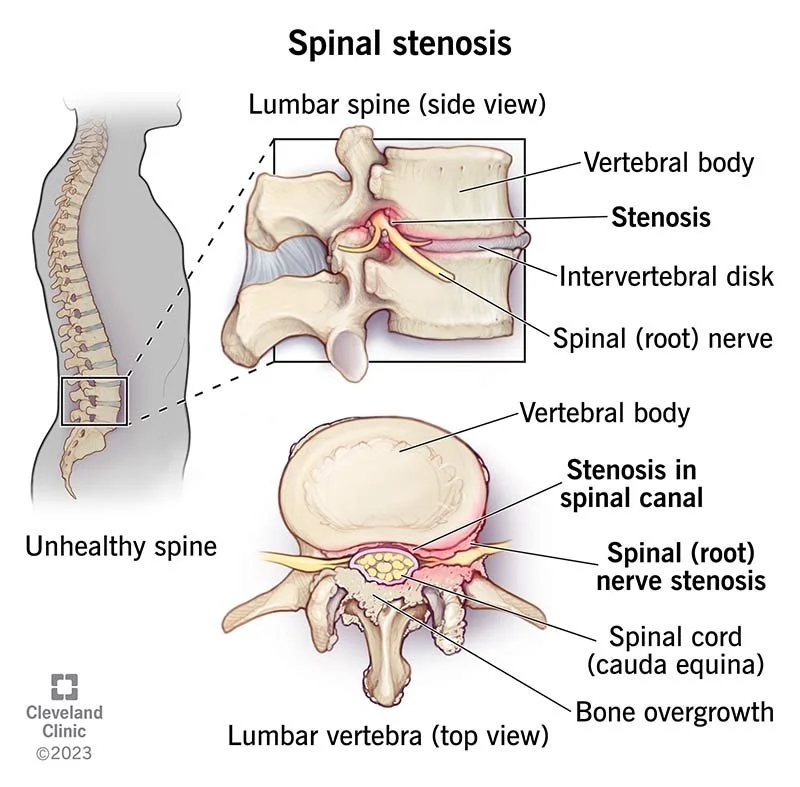
Spinal stenosis is a condition that occurs when spaces within the spine begin to narrow, placing pressure on nearby nerves. This narrowing can develop gradually over time and may contribute to chronic pain, stiffness, numbness, weakness, and mobility challenges.
Spinal stenosis most commonly affects two areas of the spine: the cervical spine (neck) and the lumbar spine (lower back). While both involve nerve compression, symptoms can vary depending on the area affected.
Cervical Spinal Stenosis
Cervical spinal stenosis occurs in the neck region of the spine. Because the cervical spine protects nerves that travel into the shoulders, arms, and hands, compression in this area may create symptoms throughout the upper body.
Common Symptoms of Cervical Spinal Stenosis
Symptoms may include:
Neck pain and stiffness
Headaches related to neck tension
Tingling or numbness in the arms or hands
Muscle weakness in the upper extremities
Reduced range of motion in the neck
Shoulder tension and discomfort
Pain that worsens with certain movements or prolonged posture
Some individuals may also experience balance or coordination difficulties when nerve compression becomes more severe.
Lumbar Spinal Stenosis
Lumbar spinal stenosis affects the lower back and is one of the most common forms of spinal stenosis. Because nerves in the lumbar spine travel into the hips, legs, and feet, symptoms often affect the lower body.
Common Symptoms of Lumbar Spinal Stenosis
Symptoms may include:
Lower back pain and stiffness
Sciatica-like pain radiating into the buttocks or legs
Numbness or tingling in the legs or feet
Muscle weakness
Cramping or heaviness in the legs
Difficulty standing or walking for long periods
Pain that improves while sitting or bending slightly forward
For many individuals, lumbar spinal stenosis can interfere with daily movement, exercise, sleep, and overall quality of life.
What Causes Spinal Stenosis?
Several factors may contribute to spinal stenosis, including:
Age-related spinal degeneration
Arthritis and joint inflammation
Herniated or bulging discs
Bone spurs
Thickened ligaments
Previous spinal injuries
Postural imbalances
Chronic muscular tension surrounding the spine
As the body compensates for pain and instability, surrounding muscles may become tight, overworked, and restricted, contributing to additional discomfort and mobility limitations.
How Massage and Bodywork May Help
Massage therapy and therapeutic bodywork do not cure spinal stenosis, but supportive care may help some individuals better manage muscular tension and discomfort associated with spinal conditions.
Therapeutic massage and bodywork may help support:
Relaxation of tight surrounding muscles
Improved circulation to affected tissues
Reduced stress and tension patterns
Increased mobility and flexibility
Greater body awareness and posture support
Relief from compensatory muscular tightness
At Awakening Healing Center LLC, sessions are tailored to the individual and adjusted according to comfort level, mobility needs, and existing health conditions. Gentle and mindful bodywork approaches may help support relaxation and overall well-being while respecting spinal sensitivities.
When to Seek Medical Attention
It is important to seek prompt medical evaluation if symptoms become severe or progressively worsen. Contact a healthcare provider if you experience:
Loss of bladder or bowel control
Sudden or severe weakness
Difficulty walking or maintaining balance
Worsening numbness
Persistent or intense pain
Massage and bodywork are intended to complement—not replace—appropriate medical care and diagnosis.
Supporting Your Body Through Chronic Spinal Pain
Living with chronic spinal discomfort can affect physical health, emotional well-being, sleep quality, stress levels, and daily activities. A supportive wellness approach that includes medical guidance, movement, stress management, and therapeutic bodywork may help individuals better manage ongoing tension and discomfort.
If you are experiencing chronic neck tension, lower back discomfort, muscular tightness, or stress related to spinal conditions, Awakening Healing Center LLC offers therapeutic massage and bodywork sessions designed to support relaxation, mobility, and overall wellness.