
Thinking About Plastic Surgery? Here's What Social Media Doesn't Tell You
Spend just a few minutes on Instagram or TikTok, and you'll see flawless before-and-after photos, dramatic transformations, and creators documenting their cosmetic surgery journeys. While these posts can be inspiring, they rarely show the full picture.
What you don't often see are the weeks of swelling, bruising, limited mobility, emotional ups and downs, scar maturation, or the countless questions that arise once you return home.
Cosmetic surgery isn't just about the procedure—it's about the recovery.
After working with cosmetic surgery recovery patients since 2014, I've met many individuals who spent months researching surgeons but very little time preparing for the healing process. They knew what procedure they wanted, but they didn't know what questions to ask during consultations, what supplies they would need, how long recovery would really take, or how to recognize potential warning signs.
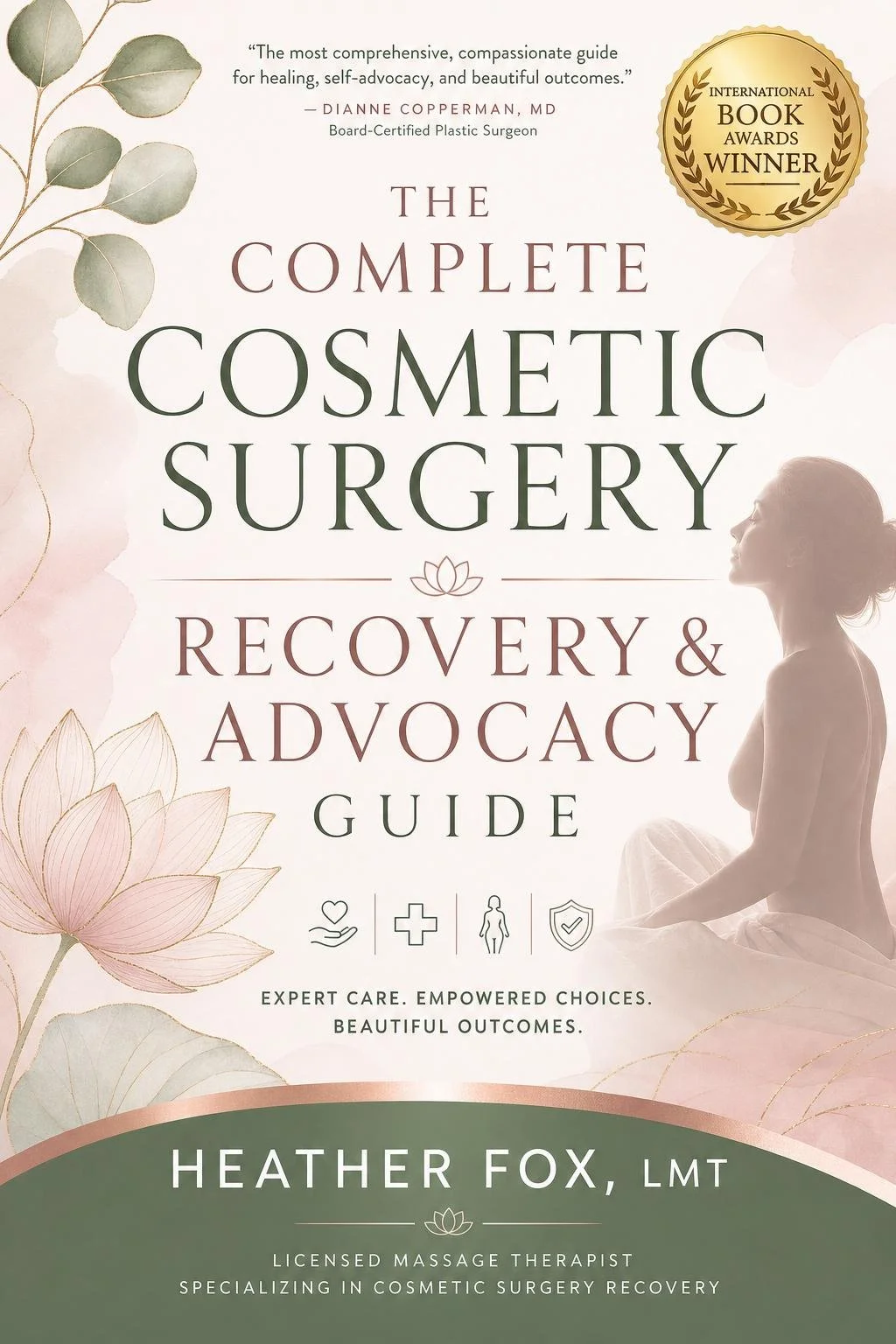
That's one of the reasons I wrote The Complete Cosmetic Surgery Recovery & Advocacy Guide: From Choosing Your Surgeon to One Year of Healing.
As I write in the introduction:
"Many people approach cosmetic surgery with enthusiasm but sometimes with incomplete or misleading information. The world of cosmetic surgery is often presented through carefully curated marketing images and testimonials, showcasing 'before and after' photos that highlight impressive, often immediate transitions. While these images can inspire and illustrate potential results, they rarely tell the full story of the healing journey."
That gap in education is exactly what this guide was created to fill.
Cosmetic Surgery Is More Than Choosing a Surgeon
Choosing a qualified surgeon is one of the most important decisions you'll make, but it's only the beginning.
Patients should also know:
What qualifications to look for when researching surgeons
Questions to ask during consultations
How to evaluate a surgical facility
What realistic recovery timelines look like
Which warning signs require immediate medical attention
How to prepare their home before surgery
What to expect physically and emotionally during recovery
These are topics that often receive far less attention than the procedure itself.
Inside the Guide: Helping You Become Your Own Advocate
One of the themes woven throughout my ebook is patient advocacy.
Being an advocate means making informed decisions, asking thoughtful questions, understanding your recovery instructions, and knowing when something doesn't seem right.
The guide includes practical resources to help you stay organized throughout your journey, including:
Surgeon comparison worksheets
Consultation question checklists
Recovery planning worksheets
Packing and supply lists
Medication and symptom trackers
Recovery milestone logs
Scar care timelines
Compression garment planning
Space to record follow-up appointments and questions for your surgical team
Rather than relying on memory during a stressful recovery, these worksheets help you document important information every step of the way.
An Excerpt from the Guide
One section discusses a common misconception about cosmetic surgery:
Myth: Cosmetic surgery results are immediately visible and perfect.
Fact: While some changes are immediate, final results develop over weeks, months, or even a year as swelling resolves and tissues settle. The journey to the "after" photo is a process—not an instant transformation.
Understanding this simple truth can help set realistic expectations and reduce unnecessary anxiety during healing.
Questions Every Patient Should Ask
Many patients don't realize they can—and should—interview their surgeon.
Some important questions include:
Is the surgeon appropriately board certified in plastic surgery?
How frequently do they perform my specific procedure?
Where will surgery be performed?
Is the surgical facility accredited?
What happens if complications occur after hours?
What follow-up care is included?
What is the expected recovery timeline?
What restrictions should I expect during recovery?
Your consultation should leave you feeling informed—not pressured.
Know the Red Flags
Choosing a provider should never be based solely on social media popularity or price.
Patients should be cautious if they encounter:
Pressure to book surgery immediately
Unrealistic promises or guarantees
Limited discussion about risks or complications
Poor communication
Inadequate follow-up plans
Pricing that seems dramatically lower without explanation
Reluctance to answer questions
A trustworthy provider welcomes informed patients and encourages questions.
Why I Wrote This Book
Over the years, I've watched patients arrive for recovery appointments with unnecessary fear, confusion, and unrealistic expectations—not because they didn't care, but because they were never given comprehensive education before surgery.
My goal wasn't simply to write another recovery guide.
It was to create the resource I wish every patient received before scheduling surgery—a guide that prepares you to make informed decisions, understand the healing process, organize your recovery, and confidently advocate for yourself from consultation through your first year of healing.
Education doesn't replace medical advice from your surgeon.
But informed patients are often better prepared to ask questions, recognize concerns, follow instructions, and actively participate in their recovery.
If you're considering cosmetic surgery, my hope is that this guide helps you approach your journey with confidence, realistic expectations, and the knowledge that healing is just as important as the procedure itself.