
Understanding SI Joint Dysfunction: Causes, Symptoms, and Stabilization Exercises
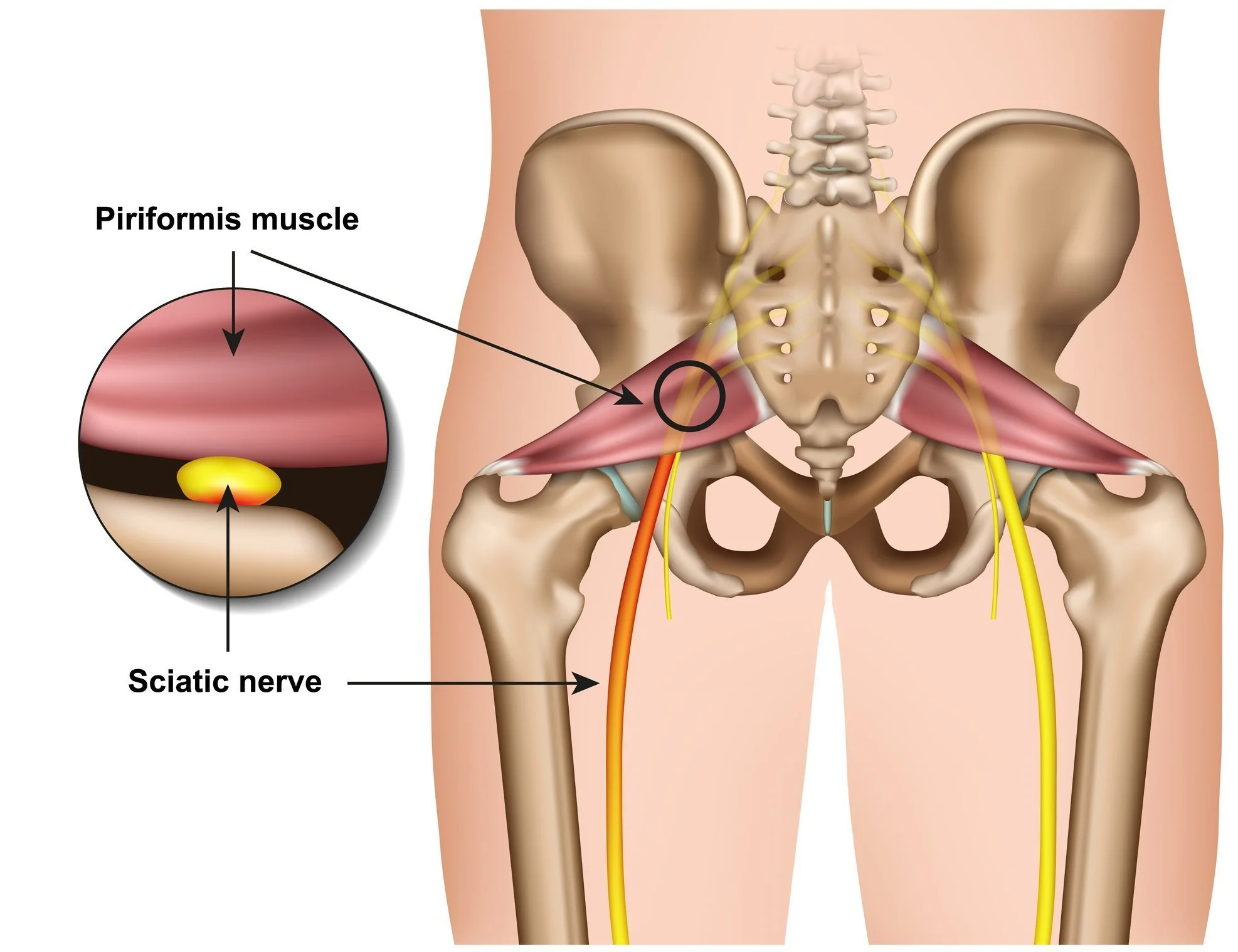
The sacroiliac (SI) joint is one of the most important yet often overlooked joints in the body. Located where the sacrum meets the ilium of the pelvis, the SI joints serve as critical shock absorbers, transferring forces between the upper body and lower extremities. When these joints become irritated, unstable, or dysfunctional, they can contribute to significant pain and movement limitations.
What Is SI Joint Dysfunction?
SI joint dysfunction occurs when the joint moves too much (hypermobility), too little (hypomobility), or becomes inflamed. While the SI joint only allows a small amount of movement, even minor disruptions can create pain patterns that mimic low back pain, hip pain, or sciatica.
Common Symptoms
Pain in the low back near the dimples of the pelvis
Pain that radiates into the buttocks, groin, or upper thigh
Difficulty standing from a seated position
Pain when climbing stairs
Pain with prolonged sitting or standing
A sensation that the pelvis is "out of alignment" or "slipping"
Common Causes
Several factors can contribute to SI joint dysfunction:
Pregnancy and postpartum changes
Falls or traumatic injuries
Repetitive lifting and twisting
Muscle imbalances
Leg length discrepancies
Hypermobility disorders
Weak core and gluteal muscles
The Importance of Stability
Contrary to popular belief, most chronic SI joint problems are not solved by repeated adjustments alone. While manual therapy may provide temporary relief, long-term improvement typically requires strengthening the muscles that help stabilize the pelvis.
The primary stabilizers include:
Gluteus maximus
Gluteus medius
Transverse abdominis
Multifidus
Pelvic floor muscles
Latissimus dorsi
These muscles create what is known as "force closure," helping compress and stabilize the SI joint during movement.
SI Joint Stabilization Exercises
1. Isometric Glute Squeezes
Lie on your back, sit, or stand comfortably.
Squeeze both glutes together.
Hold for 5-10 seconds.
Relax completely.
Repeat 10-20 times.
Benefits:
Activates the gluteus maximus
Improves force closure of the SI joint
Gentle enough for acute flare-ups
2. Abdominal Bracing
Lie on your back with knees bent.
Gently tighten your lower abdominal muscles.
Imagine tightening a belt around your waist.
Continue breathing normally.
Hold 5-10 seconds.
Repeat 10 times.
Benefits:
Activates the deep core stabilizers
Supports pelvic alignment
3. Glute Bridge
Lie on your back with knees bent.
Brace your core.
Squeeze your glutes and lift your hips.
Hold for 2-3 seconds.
Lower slowly.
Perform 2-3 sets of 10 repetitions.
Benefits:
Strengthens the glutes
Improves pelvic stability
4. Clamshells
Lie on your side with knees bent.
Keep feet together.
Lift the top knee without rolling your pelvis.
Perform 2 sets of 15 repetitions.
Benefits:
Targets gluteus medius
Improves lateral pelvic control
5. Bird Dog
Begin on hands and knees.
Brace your core.
Extend one arm and the opposite leg.
Keep your pelvis level.
Hold for 3-5 seconds.
Perform 2 sets of 8 repetitions per side.
Benefits:
Enhances trunk and pelvic coordination
Builds functional stability
6. Single-Leg Balance
Stand near a stable surface.
Balance on one leg.
Maintain a level pelvis.
Hold 20-30 seconds per side.
Benefits:
Improves neuromuscular control
Enhances pelvic stability during daily activities
Muscle Energy Technique (MET) for SI Joint Dysfunction
Muscle Energy Technique (MET) is a manual therapy approach frequently used by physical therapists, massage therapists, and osteopathic practitioners to address pelvic asymmetries and SI joint dysfunction.
MET uses gentle muscle contractions against resistance to help restore normal joint mechanics and reduce muscle tension.
Example: Posteriorly Rotated Innominate Correction
Lie on your back near the edge of a treatment table.
The affected leg hangs off the table.
The opposite knee is held toward the chest.
Gently raise the hanging leg upward against resistance for 5-10 seconds.
Relax.
Repeat 3-5 times.
Example: Anteriorly Rotated Innominate Correction
Lie on your back.
Bring the affected hip toward your chest.
Push the knee gently into resistance.
Hold for 5-10 seconds.
Relax and repeat.
Important Considerations
MET is often most effective when combined with:
Stabilization exercises
Postural training
Functional movement retraining
Strengthening of the glutes and core
Simply correcting alignment without addressing muscular control may lead to recurring symptoms.
When to Seek Professional Help
Consult a healthcare provider if you experience:
Severe pain
Numbness or weakness in the legs
Bowel or bladder changes
Persistent symptoms despite exercise
Significant difficulty walking or standing
Final Thoughts
SI joint dysfunction can be frustrating, especially when symptoms repeatedly return. While manual therapies and MET can help restore mobility and reduce discomfort, long-term success typically comes from improving the strength and coordination of the muscles that stabilize the pelvis.
A comprehensive approach that combines mobility, stabilization, and functional strengthening often provides the best outcomes. By consistently training the core, glutes, and hip stabilizers, many individuals can reduce pain, improve movement, and regain confidence in their daily activities.