
Scoliosis
Understanding the Body’s Curves and Compensations
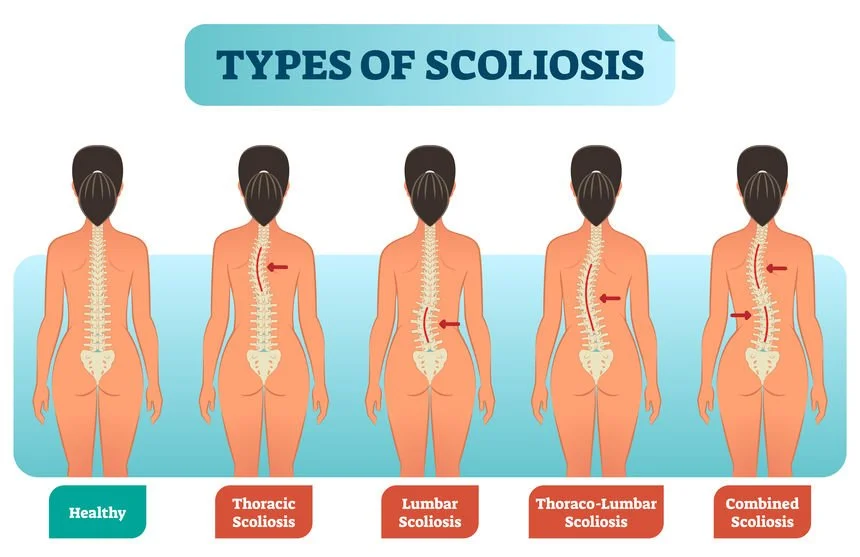
Scoliosis is a condition where the spine develops an abnormal sideways curvature. While it is often measured as a structural change, its impact is experienced throughout the entire body—affecting posture, movement, and how a person feels in their own alignment.
From a healing perspective, scoliosis is not just about the shape of the spine, but about how the body has adapted over time to balance itself.
What it may feel like
People with scoliosis may notice:
Uneven shoulders or hips
One side of the rib cage feeling more prominent
Muscle tightness on one side of the back
Fatigue or discomfort with prolonged standing or sitting
A sense of imbalance or asymmetry in posture
Some individuals experience pain, while others may feel more tension or restriction rather than sharp discomfort.
How it develops
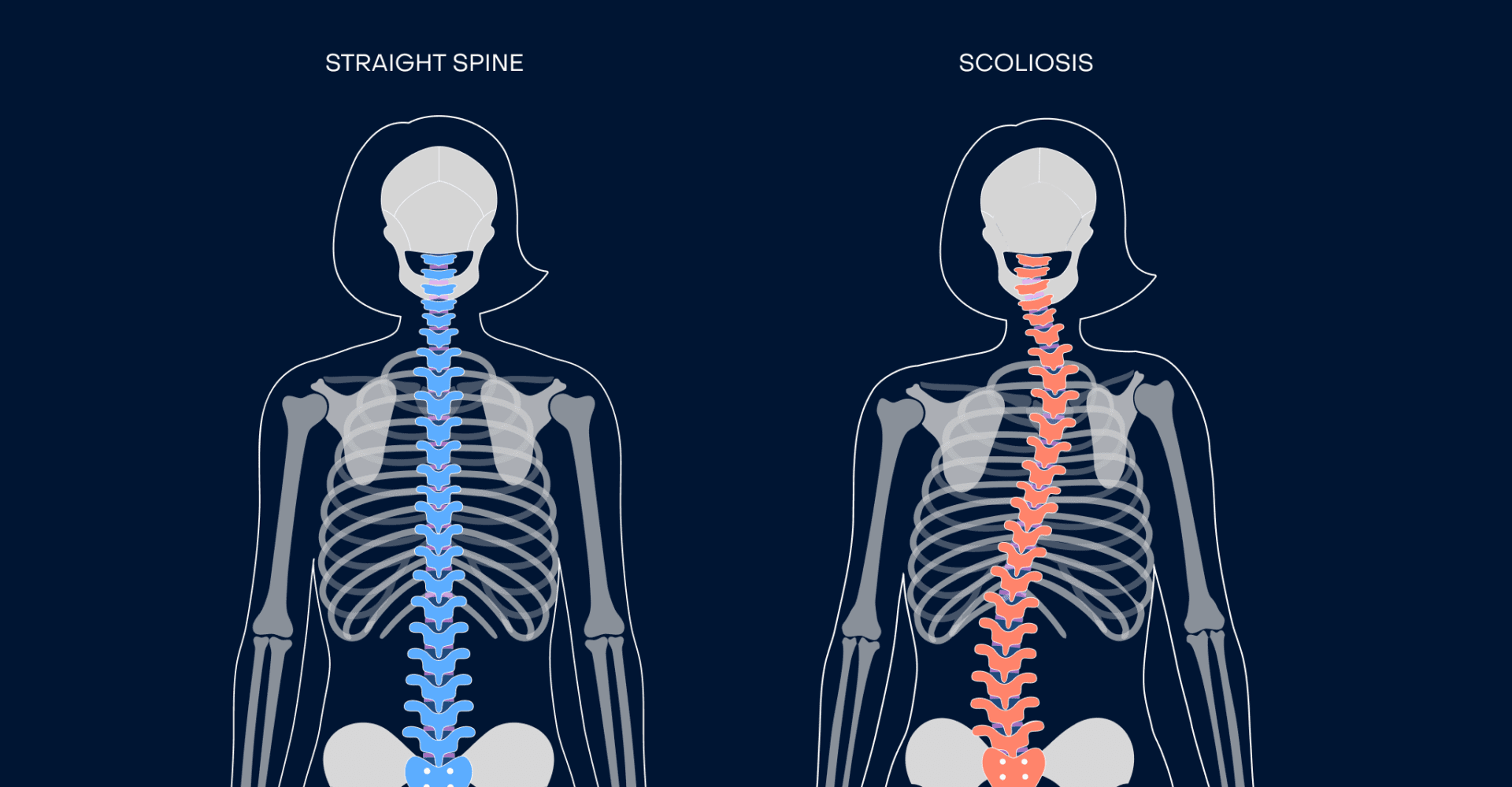
Scoliosis can develop in childhood, adolescence, or adulthood. In many cases, the body is responding to a combination of factors such as:
Growth patterns during development
Muscular imbalances over time
Habitual postures and movement preferences
Structural or congenital influences
Rather than being a single-event injury, scoliosis is often a long-term adaptation of the body’s structural system.
A whole-body perspective
In a healing context, scoliosis is understood as a full-body pattern—not just a spinal curve. The spine is responding to how the muscles, fascia, and nervous system organize around gravity and daily movement.
This means that support often involves looking at:
How the ribs expand and rotate during breathing
How the pelvis stabilizes and shifts
How one side of the body may work harder than the other
How the nervous system holds patterns of tension or protection
Supportive approaches
While scoliosis does not “disappear” through soft tissue work alone, many people benefit from approaches that help the body feel more balanced and at ease, such as:
Gentle myofascial release to reduce tension patterns
Breathwork to improve rib cage mobility and awareness
Movement practices that encourage coordination and balance
Awareness of habitual posture and weight distribution
Nervous system calming techniques to reduce holding patterns
The goal is not to force symmetry, but to support comfort, function, and ease within the body’s natural structure.
Closing perspective
The body is always adapting, even within asymmetry. With supportive care and awareness, many people with scoliosis can experience improved comfort, better movement, and a deeper sense of connection within their body.