

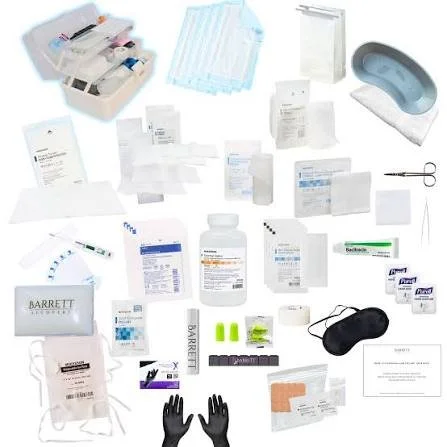
Preparing for cosmetic surgery involves more than choosing a surgeon and scheduling your procedure. Having the right supplies on hand before surgery can make your recovery more comfortable, organized, and less stressful. While every procedure is different and your surgeon's instructions should always take priority, planning ahead can help you focus on healing instead of making last-minute trips to the store.
Here are some commonly recommended recovery supplies and why they may be helpful.
Compression Garments
Compression garments are commonly prescribed after many cosmetic procedures to help manage swelling, support healing tissues, and provide gentle support during recovery. Depending on your surgery, your surgeon may recommend:
Surgical compression garments
Compression bras
Abdominal binders
Compression socks
A second garment to wear while the other is being washed
Always wear only the garments recommended by your surgeon, as compression levels and designs vary depending on the procedure.
Wound Care Supplies
Keeping incision sites clean is an important part of recovery. Your surgeon will provide instructions for dressing changes and wound care.
Helpful supplies may include:
Sterile gauze
Non-stick dressings
Medical tape
Disposable gloves
Cotton swabs
Saline wound wash (if approved)
Hand sanitizer
Only use ointments or topical products if your surgeon recommends them.
Drain Care Supplies
Some procedures require temporary surgical drains to help remove excess fluid during the early stages of healing.
Useful items include:
Drain belt or lanyard
Safety pins for securing drains
Alcohol wipes
Measuring cup (if instructed)
Drain output log or notebook
Small pouch to discreetly carry drains
Recording drain output accurately can help your surgeon determine when drains are ready to be removed.
Pillows and Comfort Items
Getting comfortable can be one of the biggest challenges after surgery. Many patients find that extra support pillows make sleeping and resting much easier.
Consider having:
Wedge pillow
Neck pillow
Body pillow
Pregnancy pillow
Recliner (if available)
Soft blanket
The right positioning may reduce strain on surgical areas and make getting in and out of bed easier.
Managing Swelling
Swelling is a normal part of healing.
Depending on your procedure and your surgeon's recommendations, you may need:
Foam pads or lipo foam
Compression boards
Soft measuring tape to monitor swelling
Silicone scar sheets (once incisions have healed)
Silicone scar gel
Cold packs only if approved by your surgeon
Not every procedure benefits from ice therapy, so always follow your surgeon's instructions before applying cold packs.
Medications
Fill your prescriptions before surgery so everything is ready when you return home.
Your surgeon may prescribe or recommend:
Pain medication
Antibiotics
Anti-nausea medication
Stool softener
Acetaminophen (if appropriate)
Pill organizer to stay on schedule
Take medications exactly as directed.
Hydration and Nutrition
Your body needs proper nutrition to support healing.
Stock your kitchen with:
Water
Electrolyte drinks
Protein shakes
High-protein snacks
Fresh fruit
Fiber-rich foods
Easy-to-prepare meals
Staying hydrated and eating adequate protein may support the healing process.
Comfortable Clothing
Loose-fitting clothing makes dressing much easier after surgery.
Helpful options include:
Button-up shirts
Zip-up hoodies
Loose-fitting pants
Slip-on shoes
Front-closing bras (if recommended)
Avoid clothing that requires excessive stretching or lifting your arms if your procedure limits movement.
Bathroom and Hygiene Essentials
Simple hygiene items can make recovery more comfortable.
Consider having:
Fragrance-free body wipes
Dry shampoo
Long-handled sponge
Shower chair (if needed)
Handheld showerhead (optional)
Non-slip bath mat
These items can be especially helpful during the first few days when mobility is limited.
Monitoring Your Recovery
Keeping track of your recovery can help you identify changes and provide useful information during follow-up appointments.
Helpful tools include:
Digital thermometer
Blood pressure monitor (if recommended)
Pulse oximeter (optional)
Recovery journal
Medication schedule
Calendar for follow-up visits
Documenting swelling, pain levels, drain output, medications, and questions for your surgeon can make appointments more productive.
Entertainment Matters Too
Recovery often involves more downtime than many people expect.
Prepare a small recovery station with:
Books
Tablet or laptop
TV remote
Phone charger with a long cord
Headphones
Crossword puzzles or coloring books
Having entertainment within reach can make long recovery days more enjoyable.
Final Thoughts
One of the best ways to reduce stress after cosmetic surgery is to prepare before your procedure. Creating a recovery space, filling prescriptions ahead of time, and gathering essential supplies allows you to focus on what matters most—healing.
Remember that every surgery is different. Your surgeon's postoperative instructions should always take precedence over general recommendations. If you're unsure whether a product is appropriate for your procedure, ask your surgical team before using it.
Planning ahead won't eliminate every challenge during recovery, but it can make the healing process more comfortable, organized, and manageable.