
Understanding Spinal Retrolisthesis: Causes, Symptoms, and Treatment
What Is Spinal Retrolisthesis?
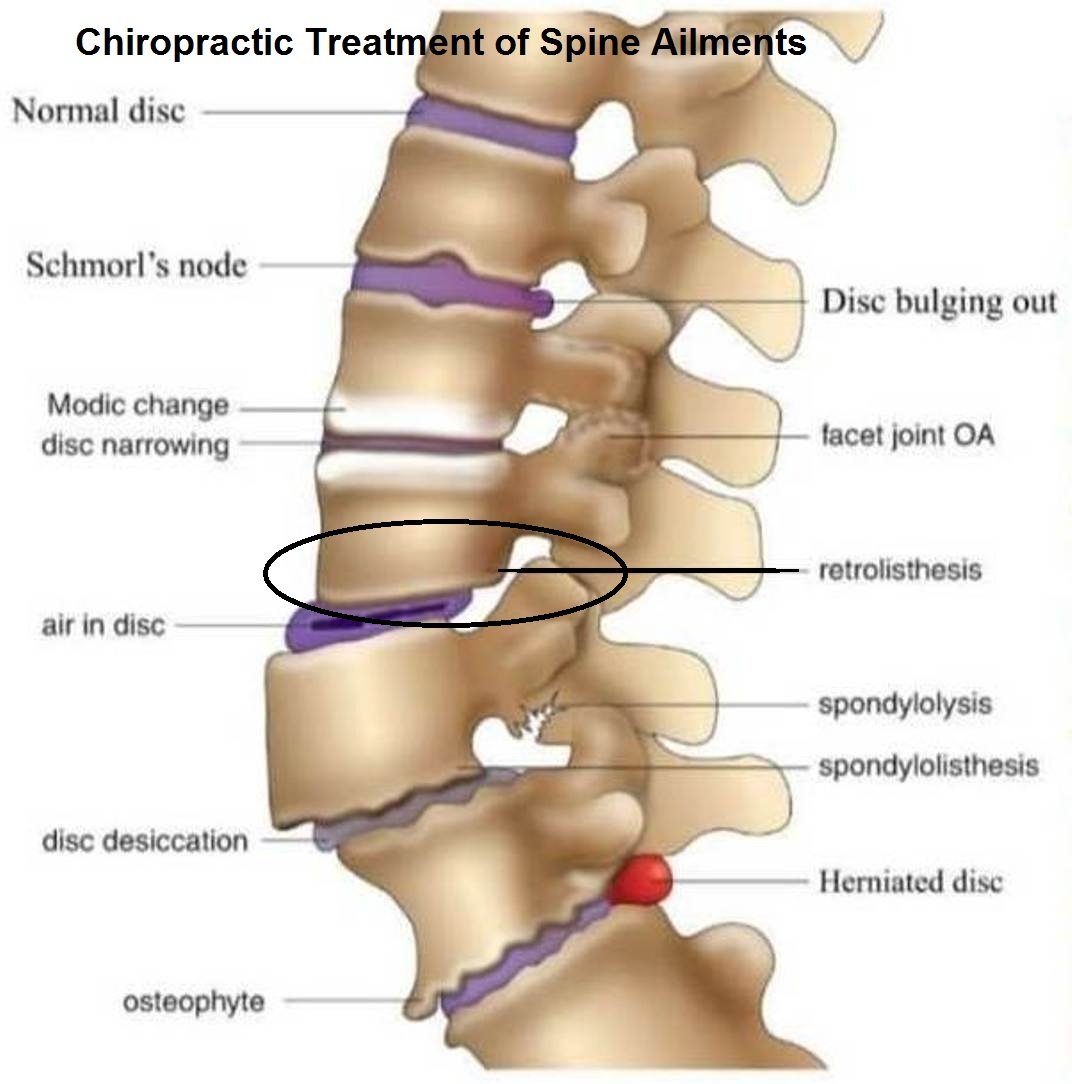
Spinal retrolisthesis is a condition where one vertebra slips backward in relation to the vertebra below it. While many people have heard of spondylolisthesis — where a vertebra slips forward — retrolisthesis is the opposite movement.
This backward shift can place stress on the spine, surrounding muscles, discs, nerves, and joints, potentially causing pain and mobility issues.
Common Areas Affected
Retrolisthesis can occur anywhere in the spine, but it is most commonly found in:
Cervical spine (neck)
Lumbar spine (lower back)
The lower back is especially vulnerable because it bears much of the body’s weight and handles frequent bending, lifting, and twisting.
What Causes Retrolisthesis?
Several factors may contribute to spinal instability and vertebral slippage, including:
Degenerative Changes
As we age, spinal discs can lose hydration and height, reducing stability between vertebrae.
Injury or Trauma
Falls, accidents, repetitive strain, or improper lifting can stress spinal structures.
Poor Posture and Biomechanics
Long-term postural imbalances and muscle weakness may increase spinal stress over time.
Disc Degeneration
Damaged or thinning discs may no longer properly support spinal alignment.
Arthritis
Facet joint arthritis can contribute to instability and abnormal vertebral movement.
Symptoms of Retrolisthesis
Symptoms vary depending on severity and location, but may include:
Localized neck or back pain
Muscle tightness or spasms
Reduced flexibility
Stiffness
Pain with prolonged standing or sitting
Radiating pain into arms or legs
Numbness or tingling if nerves become irritated
Weakness in more severe cases
Some individuals may have mild retrolisthesis visible on imaging with little to no symptoms.
How Is It Diagnosed?
A healthcare provider typically diagnoses retrolisthesis through:
Physical examination
Postural and movement assessment
X-rays
MRI or CT imaging if nerve involvement is suspected
Imaging helps determine the degree of vertebral displacement and whether discs or nerves are affected.
Treatment Options
Treatment depends on severity, symptoms, and underlying causes.
Conservative Care
Many cases improve with non-surgical treatment, including:
Physical therapy
Core strengthening
Postural correction
Activity modification
Anti-inflammatory strategies
Mobility and stabilization exercises
Massage therapy for surrounding muscular tension
Lifestyle Support
Healthy movement habits can help reduce strain on the spine:
Maintaining good posture
Proper lifting mechanics
Regular exercise
Weight management
Avoiding prolonged sedentary positions
When Surgery May Be Considered
Surgery is usually reserved for severe instability, progressive neurological symptoms, or cases that do not respond to conservative care.
Can Massage Therapy Help?
Massage therapy may help reduce muscular guarding and tension that often develops around spinal dysfunction. Gentle techniques focused on surrounding muscles can support relaxation, circulation, and mobility.
However, massage does not “correct” vertebral alignment, and treatment should always be adapted to the individual’s condition and tolerance.
Final Thoughts
Spinal retrolisthesis can range from mild and manageable to more symptomatic cases involving nerve irritation and chronic discomfort. Early evaluation, proper movement strategies, and supportive care can play an important role in symptom management and spinal health.
If you’re experiencing persistent neck or back pain, consult a qualified healthcare professional for proper diagnosis and guidance.